Storm and Heat Alert!
This is the time of year where Southern Arizona can experience both violent monsoon storms and excessive heat – a combination that can have a significant impact on local wildlife.
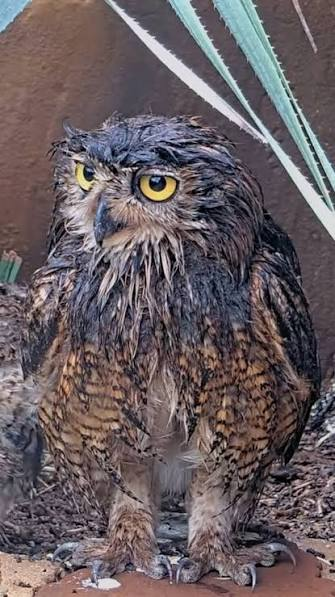
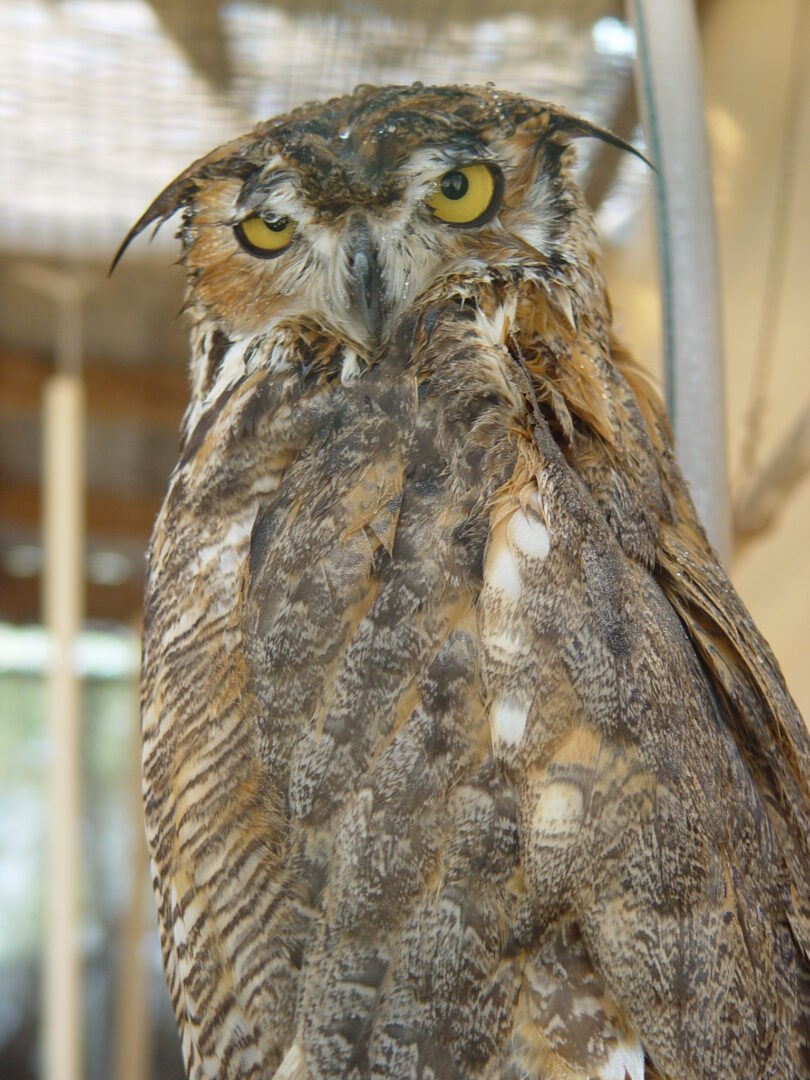
Heavy rain can soak a bird’s feathers to the point where they cannot fly. After a storm, keep an eye out for grounded birds. Strong winds may also blow young birds from their nests or knock adult birds from trees. In many cases, these birds simply need time to dry off and recover. If you have pets, you can gently move the bird to a nearby safe, sheltered location where it can dry out undisturbed. If the bird—or any wildlife you find—appears injured, please call Tucson Wildlife Center before intervening.
The extreme heat also causes many animals to become more active at night in search of food or cooler temperatures. Reptiles, in particular, are often seen after dark, especially on pavement that retains warmth after sunset. Following a storm, you may also notice more wildlife than usual, including lizards, snakes, tortoises, and turtles crossing roads.
If you’re driving, especially at night or after a storm, slow down and stay alert for wildlife on or near the road. A little extra caution can save an animal’s life. And if you come across wildlife you’re concerned about, don’t hesitate to call Tucson Wildlife Center. If you would like to help our wildlife, click this link to donate,
Another way you can contribute is to visit our “wish list” on Amazon or Chewy below:
We appreciate it, as will all the wild animals in our care!
#tucsonwildlifecenter #wildliferehabber #tucsonnativewildlife #tucsonanimals #AZnativeanimals #wildliferehabilitation

Show your support with a minimum $25 donation and we’ll send you a “KEEP TUCSON WILD” sticker. Click the bumper sticker to donate.