Turkey Vulture
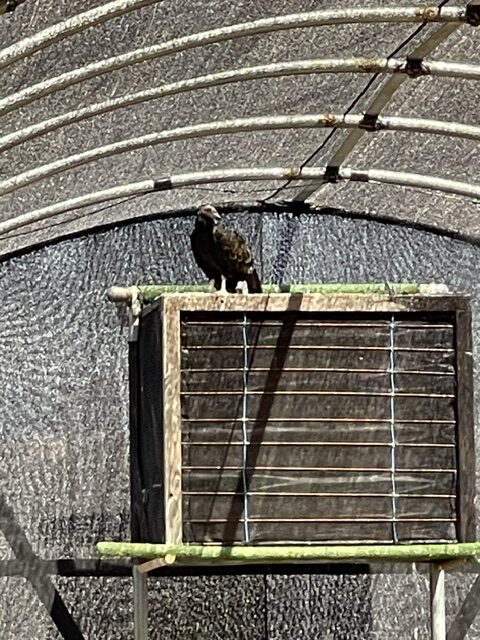
This week’s featured patient is a juvenile turkey vulture who arrived at Tucson Wildlife Center in early August after being found on the ground at a home. Upon intake, there were no significant findings apart from lethargy on physical exam or x-rays. When collecting blood, there was some excessive bruising at injection sites. Since we had admitted a coyote dying of rodenticide (poisoning) a few days before from the same area, we were concerned, but there are no validated tests for avian rodenticide. Rodenticide toxicity in live birds can only be diagnosed based on history and clinical findings. Actual poisoning can be tested and confirmed on dead birds. Our medical staff determined specialized care before the patient could safely return to the wild.
Since then, we are happy to share that our vulture has been eating well and healing. The rehabilitation team will continue to monitor their health and make sure the young bird can fly strongly and find food before release.
Have you ever wondered why turkey vultures have bare heads? This adaptation helps the bird stay cleaner while feeding on carrion (dead and putrefying flesh). Unlike an adult’s familiar red head, a juvenile turkey vulture has a dark gray or blackish head. Its head gradually becomes red as it matures. Turkey vultures do not build a traditional nest; they may lay their eggs in sheltered places such as caves, hollow logs, abandoned buildings, or dense vegetation. Young turkey vultures, like our patient, generally remain in the nest for approximately 60–84 days before fledging!
Turkey vultures may not always receive the admiration given to other large birds, but they are essential members of our desert ecosystem. By consuming carrion, they help recycle nutrients and remove dead animals from the landscape. We are hopeful that, with time and care, this fledgling will once again be soaring over the Sonoran Desert.
We’ll be cheering this youngster on through every step—and wingbeat—of recovery! If you would like to help patients like this turkey vulture click this link to donate,
Another way you can contribute is to visit our “wish list” on Amazon or Chewy below:
We appreciate it, as will all the wild animals in our care!
#tucsonwildlifecenter #wildliferehabber #tucsonnativewildlife #tucsonanimals #AZnativeanimals #wildliferehabilitation
Show your support with a minimum $25 donation and we’ll send you a “KEEP TUCSON WILD” sticker. Click the bumper sticker to donate.